Key takeaways
- Safety first: stay out of damaged areas until they are checked.
- Protect the property from further damage and keep records of what you do.
- Photograph everything before cleanup and keep every document.
- Rebuilding often needs permits, so plan for review and inspections.
Make it safe
After a storm or fire, stay out of areas with structural damage, standing water near electrical equipment or the smell of gas. Call emergency services when needed. Utilities may need to be shut off by professionals.
Protect and document
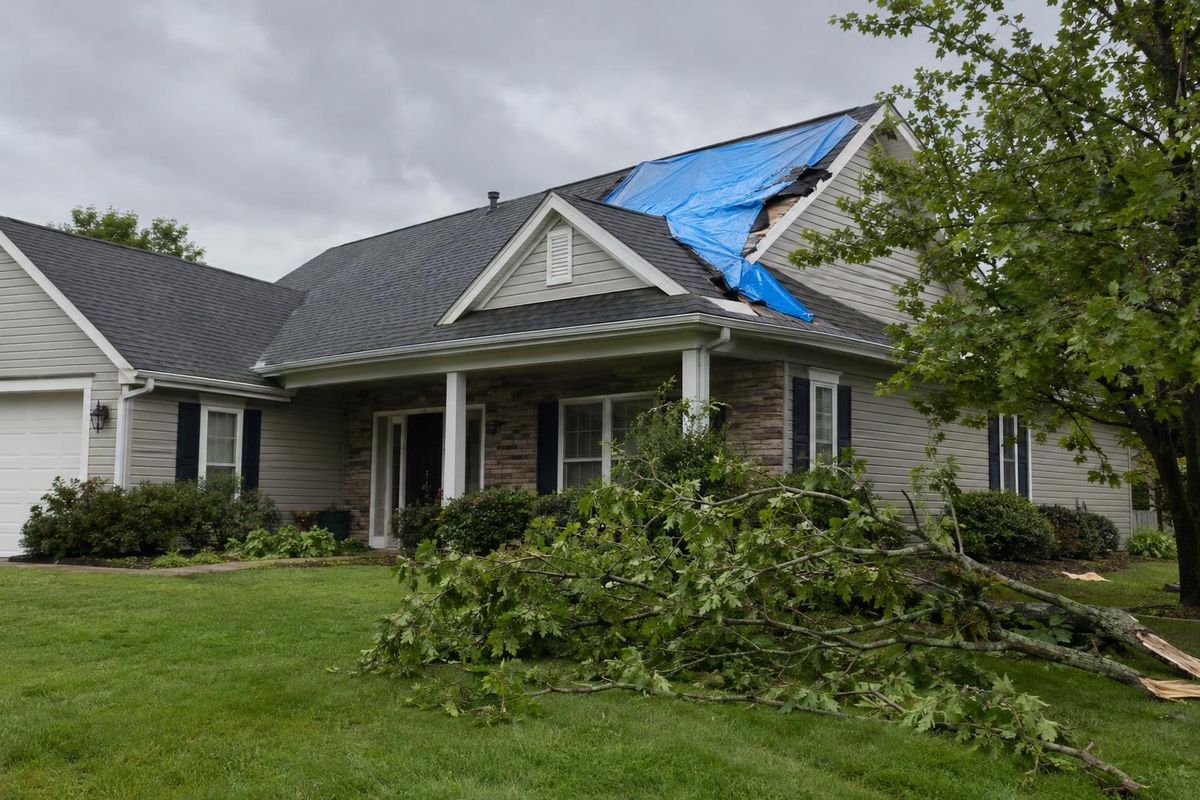
Cover openings with tarps or boards to stop more damage, and keep receipts. Take photos and video of damage before cleanup, then keep damaged items until your insurer has seen them.
Call your insurance company early and write down the claim number and the name of each person you speak with.
Plan the repairs
A contractor can walk the property, write a scope of repairs and talk with your adjuster about what is needed. Structural damage, roofing, wall, floor and finish repairs are all part of a plan.
Be careful with anyone who knocks on doors after a storm. Ask for local references and check the state license.
Rebuild with permits
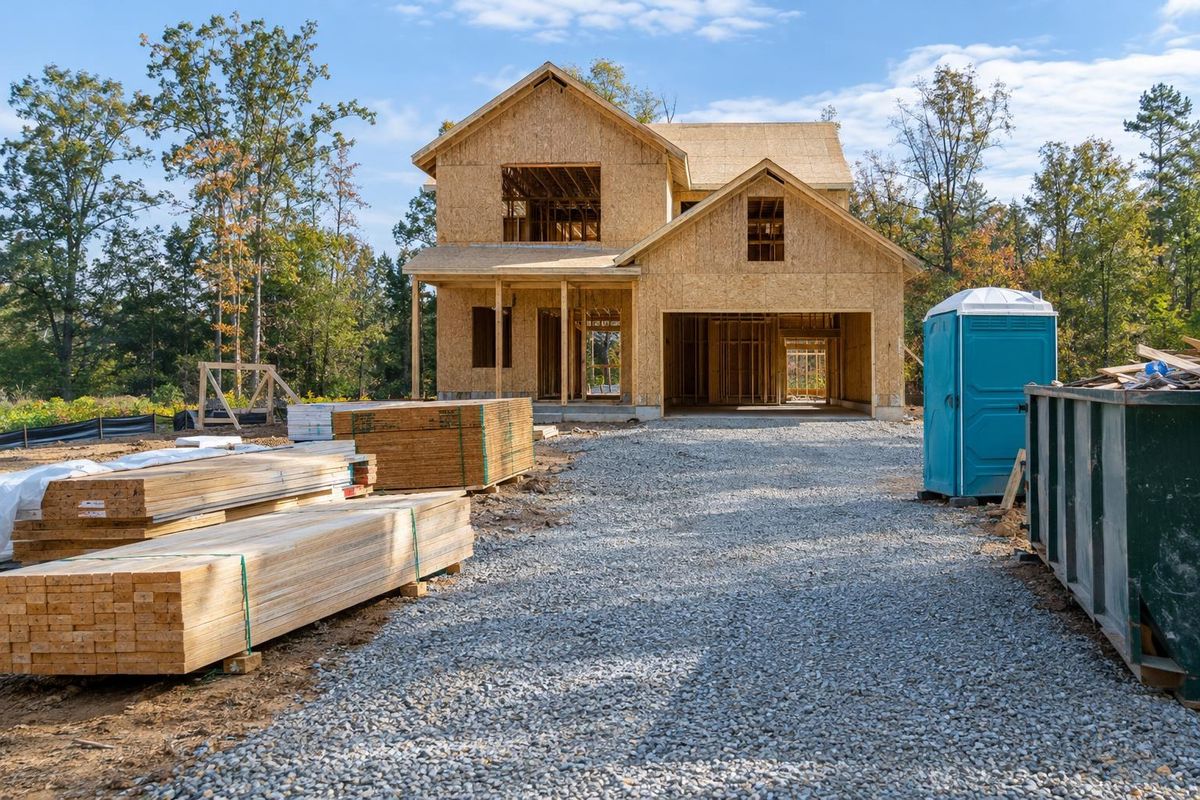
Significant repairs and rebuilds require permits, and updated code requirements may apply. The scope should include inspections and a final approval so the home is safe and documented.
Official sites to explore
Brand names and logos belong to their owners. These links open the official websites in a new tab, and we are not affiliated with them.
- FEMAFederal disaster preparedness and recovery information.
- Ready.govPreparedness and recovery guidance for households.
- Tennessee Board for Licensing ContractorsCheck contractor licensing after a storm.
- Tennessee license verificationConfirm a license before you hire.
- Metro Nashville Codes DepartmentPermits for repairs and rebuilds.
Quick answers
Should I sign over my claim to a contractor?
Read any agreement carefully, and ask your insurer about your options before signing anything.
Can I start repairs before the adjuster comes?
Make temporary protective repairs, keep receipts and wait for permanent repairs until your insurer has reviewed the damage.
Do storm repairs need permits?
Larger repairs usually do. Your contractor or local codes office can tell you.