Key takeaways
- Read the lease before drawing anything: it sets who builds what.
- Commercial plans often need review and stamped drawings.
- Accessibility, fire safety and occupancy rules shape every layout.
- Order long-lead items such as storefronts, equipment and finishes early.
Start with the lease
The lease explains what the landlord provides, what you must build and what you must return at the end. It may also say who approves plans and who may do the work.
Share it with your contractor before the first design meeting.
Plans, permits and approvals
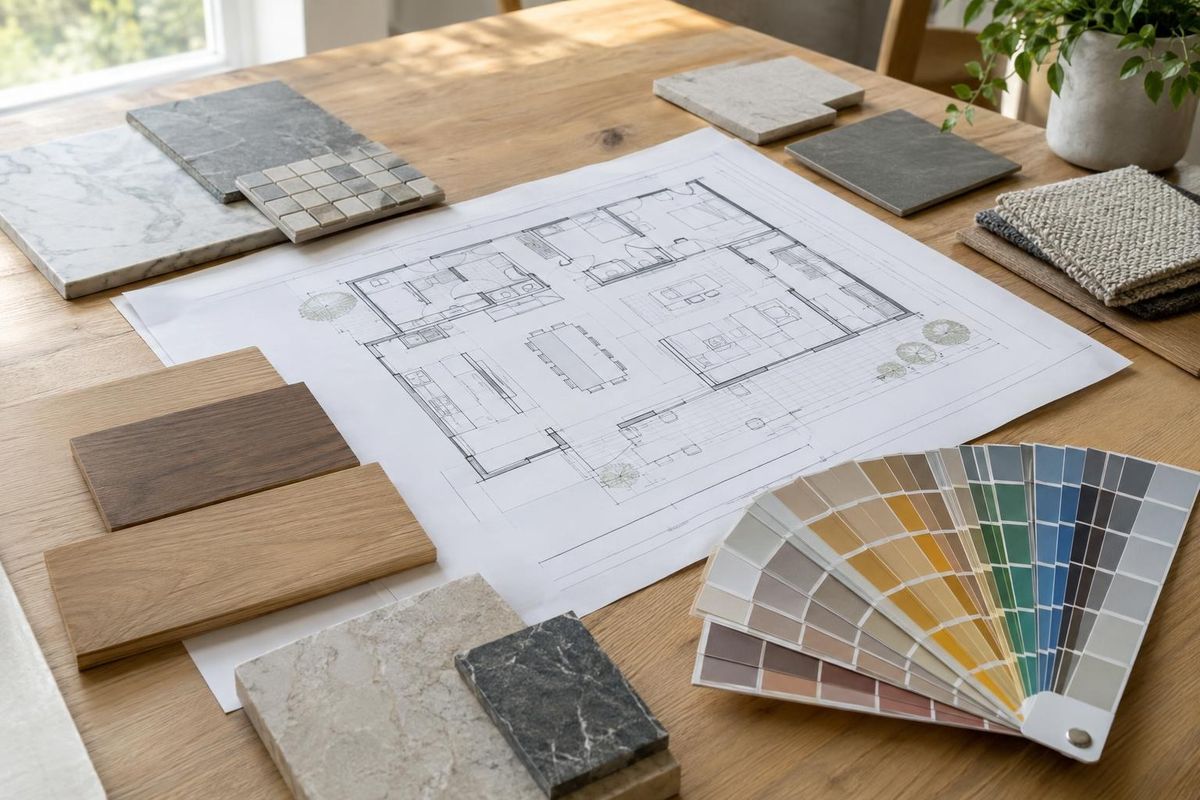
Commercial projects usually need drawings from a design professional, review by the codes office and sometimes approval from the landlord and fire marshal. Plan time for each review.
A contractor who knows the process can help the design team catch issues before submission.
Accessibility and safety
Commercial spaces must meet accessibility rules for entrances, restrooms, counters and routes. Fire protection, exits and occupancy limits affect layouts too.
Building these in from the start is simpler than correcting them later.
Opening on time
Work backward from your opening date. Storefront systems, kitchen equipment, specialty lighting and signage can take the longest. Coordinate deliveries and inspections so the final approval lands before the date you promised customers.
Official sites to explore
Brand names and logos belong to their owners. These links open the official websites in a new tab, and we are not affiliated with them.
- U.S. Access Board: ADAFederal accessibility guidelines for buildings.
- Metro Nashville Codes DepartmentCommercial permits and inspections.
- National Fire Protection AssociationFire and life-safety codes.
- U.S. Small Business AdministrationResources for starting and growing a business.
- OSHA Construction IndustrySafety information for construction work.
Quick answers
What is the difference between a build-out and a tenant improvement?
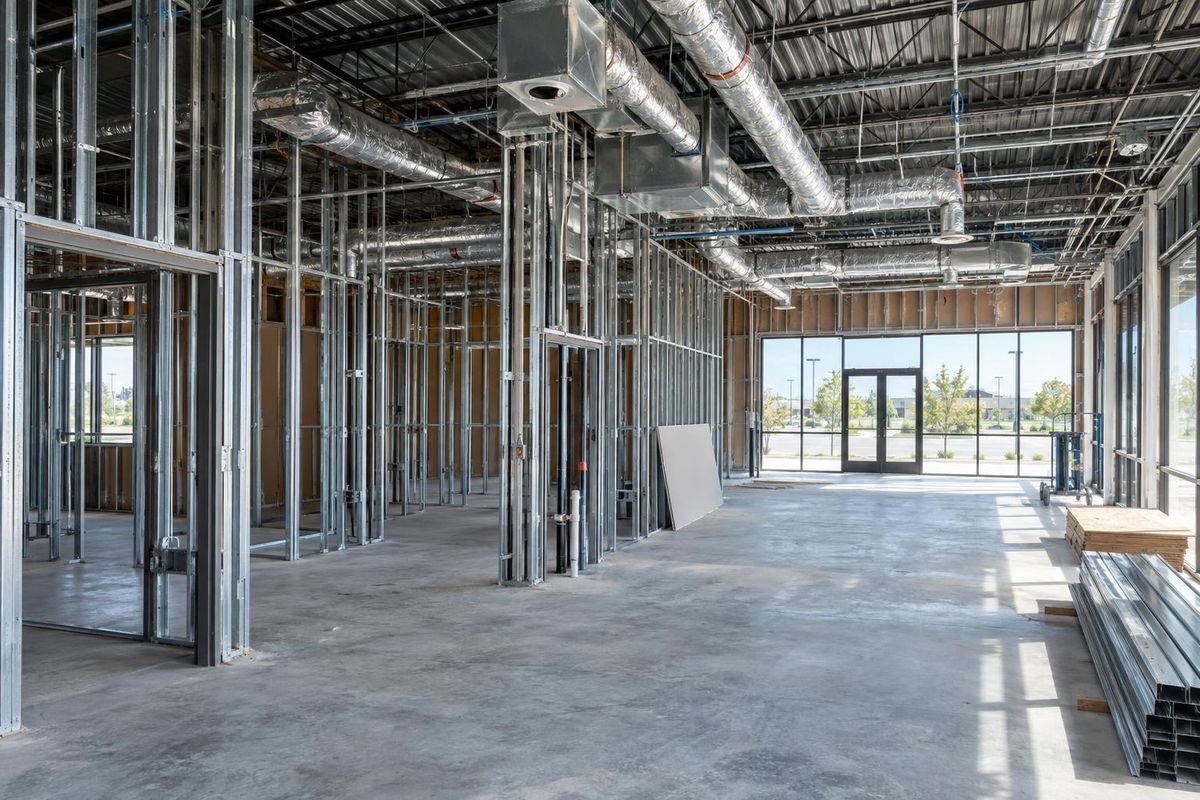
A build-out typically finishes a bare shell, while a tenant improvement alters an existing space. The terms overlap.
Do I need an architect for a small space?
Many commercial permits require stamped drawings. Your contractor can recommend a design professional.
Can you work around my business hours?
Often yes. Phasing and after-hours work can reduce disruption.